
Buying physical precious metals does not have to mean choosing gold automatically. Gold may be the most familiar option to many buyers, but products made from silver, platinum, and palladium are also available.
Each metal has different market characteristics, product formats, and pricing considerations. Understanding these differences can help buyers compare physical products more carefully instead of selecting one based only on familiarity.
Begin With the Metal Itself
Precious metals should not be treated as interchangeable simply because they can all be purchased in physical form. Gold, silver, platinum, and palladium have their own supply-and-demand dynamics.
Buyers should therefore learn about the metal before concentrating on a particular coin or bar. Price movements, availability, industrial demand, and product selection can differ considerably between metals.
Compare Coins With Bars
Physical precious metals are commonly available as coins and bars. The right format depends on what the buyer wants to own and how they prefer to organize their holdings.
Bars are often available across several weights, while government-issued bullion coins provide another recognizable format. Buyers can compare weight, premium, product specifications, and overall cost before deciding.
Consider Larger Gold Formats
Gold bars can appeal to people who prefer holding a substantial quantity of metal in fewer pieces. Larger formats also create a different purchasing decision from small gram-denominated bars.
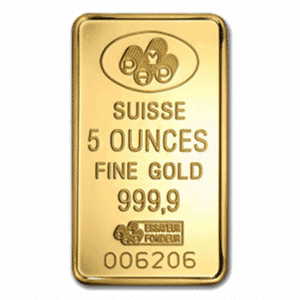
Someone researching a 5 oz gold bar for sale should consider the amount of gold concentrated in one product. Total purchase cost and secure storage become particularly important when choosing a larger bar.
Understand Palladium as a Different Market
Palladium receives less everyday attention than gold, yet it is another precious metal available in physical bullion products. Its market has different influences, including significant industrial applications.
That means buyers should not assume palladium will behave exactly like gold. Learning about its market and available physical products provides useful context before considering a purchase.
Look at Recognizable Palladium Coins
Government-minted bullion coins can provide a familiar way to explore metals outside gold and silver. Product specifications should still be reviewed carefully because recognition alone does not determine whether a coin fits someone’s objectives.
Buyers researching palladium maple leafs can examine their metal content and product characteristics. They should also compare pricing and availability with other palladium formats before making a decision.
Pay Attention to Premiums
The market price of a precious metal is only one part of a physical-product purchase. Coins and bars generally trade with premiums that can vary according to product type and market conditions.
Premium differences can become particularly noticeable when comparing metals or formats. Buyers should look at the complete transaction rather than evaluating a product solely through the current spot price.
Consider Market Liquidity
A buyer should think about a possible future sale before making the original purchase. Some precious-metal products may have broader recognition or more active markets than others.
Liquidity can also change with market conditions. Understanding how a particular type of bullion is commonly bought and sold gives buyers another practical factor to consider alongside price and metal content.
Plan Secure Storage
Any physical precious metal needs a suitable storage arrangement. The small physical size of a valuable coin or bar should not lead buyers to underestimate the importance of security.
Storage needs can change as a collection grows. Buyers may therefore want to consider their longer-term plans rather than finding a temporary solution after each new purchase.
Avoid Assuming Diversification Removes Risk
Owning more than one precious metal can create variety within physical holdings, but variety does not eliminate market risk. Gold, palladium, silver, and platinum can all experience price declines.
Buyers should remain realistic about this uncertainty. Precious metals should not be presented as guaranteed protection against losses or as products that automatically generate positive returns.
Keep Different Products Organized
A mixed precious-metal collection can contain several metals, weights, producers, and product types. Maintaining clear records can make those holdings easier to understand over time.
Invoices and relevant product details should be stored systematically. This becomes particularly useful when purchases are made gradually or when an owner holds both coins and bars.
Make Comparisons Before Committing
A product should ideally be selected after comparing several relevant factors. Metal type, weight, premium, liquidity, storage, budget, and the buyer’s purpose can all influence the final decision.
There is no need to treat one metal as universally superior. Different buyers can reasonably reach different conclusions because their budgets, objectives, and existing holdings are not identical.
Conclusion
Physical precious metals offer considerably more choice than simply deciding whether to own gold. Different metals, coins, bars, and weights each introduce their own practical considerations.
Careful buyers can compare those differences before committing funds. Understanding the product, market, premium, storage requirements, and personal objective creates a stronger basis for a purchase while keeping expectations realistic about the risks associated with changing precious-metal prices.