
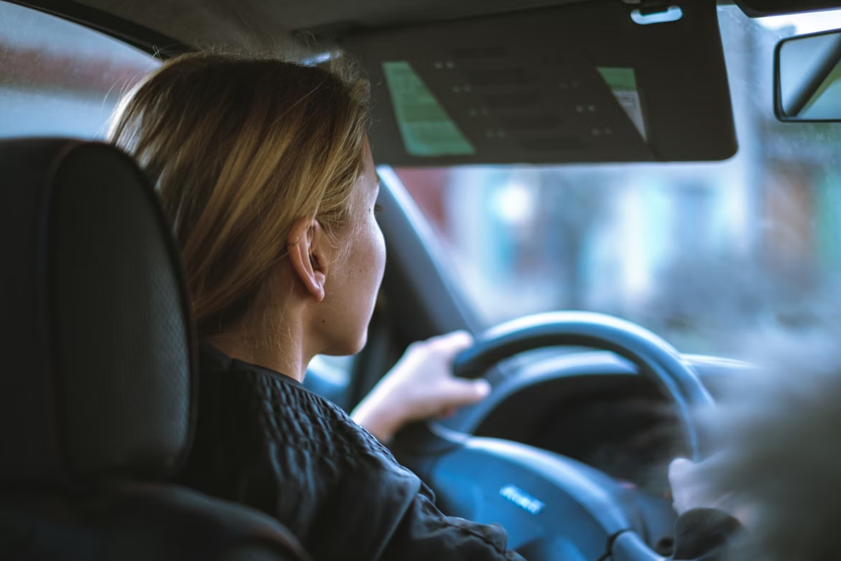
A learner is halfway through an ordinary drive when a siren becomes noticeable. At first, it is difficult to tell where the sound is coming from. Then flashing lights appear in the mirror.
That moment can make a beginner tense almost instantly. Should you stop right where you are? Is the emergency vehicle actually behind you? What are the other cars going to do? Instead of waiting until this happens unexpectedly, learners should understand the relevant Texas rules and practice staying calm enough to apply them.
First, Work Out What Is Happening
Hearing a siren does not always tell you where the emergency vehicle is. It might be approaching from behind, traveling on another road, or coming toward an intersection.
Keep control of the car while checking the surroundings. Mirrors can help establish where the vehicle is coming from. Avoid making an abrupt move simply because you heard the sound before you understood the situation.
Other Drivers May React Suddenly
One difficult part of these situations is that every nearby driver starts responding at roughly the same time. A vehicle ahead may slow quickly. Someone in another lane may change position.
That means your attention cannot remain fixed only on the emergency vehicle. You still need to know what ordinary traffic around you is doing. Leave enough room so another driver’s sudden reaction does not immediately create a second problem.
Practical Experience Builds Composure
Knowing a rule on paper and dealing with a real siren behind you can feel very different. The sound itself can make a learner rush.
Students working with a sugar land driving school can develop practical observation and vehicle-control skills that are useful when unexpected situations arise. A calm driver is better able to understand what is happening before deciding what to do next.
Know the Texas Requirement
Texas law sets specific duties for motorists when an authorized emergency vehicle using audible and visual signals approaches. Drivers should learn those requirements rather than relying on a vague rule they heard from somebody else.
The exact response depends on the situation, so this is an area where correct driver education matters. A learner should know what Texas requires before encountering the situation alone instead of trying to invent a response under pressure.
Do Not Follow the Crowd Blindly
A car in front may move, but that does not mean you should immediately copy it. Another driver could have more room, a different view, or simply be making a poor decision.
Observe your own surroundings. Learners need to develop the habit of responding to actual road conditions rather than treating another vehicle’s movement as an instruction.
Study Before the Situation Happens
Emergency-vehicle rules are a good example of knowledge that is easier to understand before it is urgently needed.
Through drivers ed online texas, learners can work on driving knowledge away from live traffic. Later, if flashing lights and a siren appear during a drive, the situation is not completely unfamiliar. The learner already has a framework for understanding their responsibilities.
Reset Before Continuing
Once the emergency vehicle has passed and it is appropriate to continue, take a moment to settle back into normal driving.
A learner may still feel tense and immediately accelerate simply because surrounding traffic starts moving. Instead, check the road again and continue when appropriate. The emergency may be over for the other vehicle, but your drive still needs your full attention.
Talk About It Afterward
If this happens during practice, discuss it later. Where did the learner first hear the siren? How quickly did they locate the vehicle? What part of the situation caused uncertainty?
That short conversation can turn an unexpected moment into useful experience. Next time, the sound may feel less alarming because the learner has already dealt with it once.
Conclusion
Sirens can interrupt an otherwise routine journey without warning. The best preparation is not trying to predict when that will happen; it is knowing the applicable rules, staying observant, and avoiding a panicked response when it does.
Moments like these show why learning to drive involves much more than mastering a set route. At myfirstdrive.net, we provide instruction and practical driving alternatives for Texas learners, while genuine experience teaches them slowly how to handle themselves when a regular trip suddenly becomes something else.