
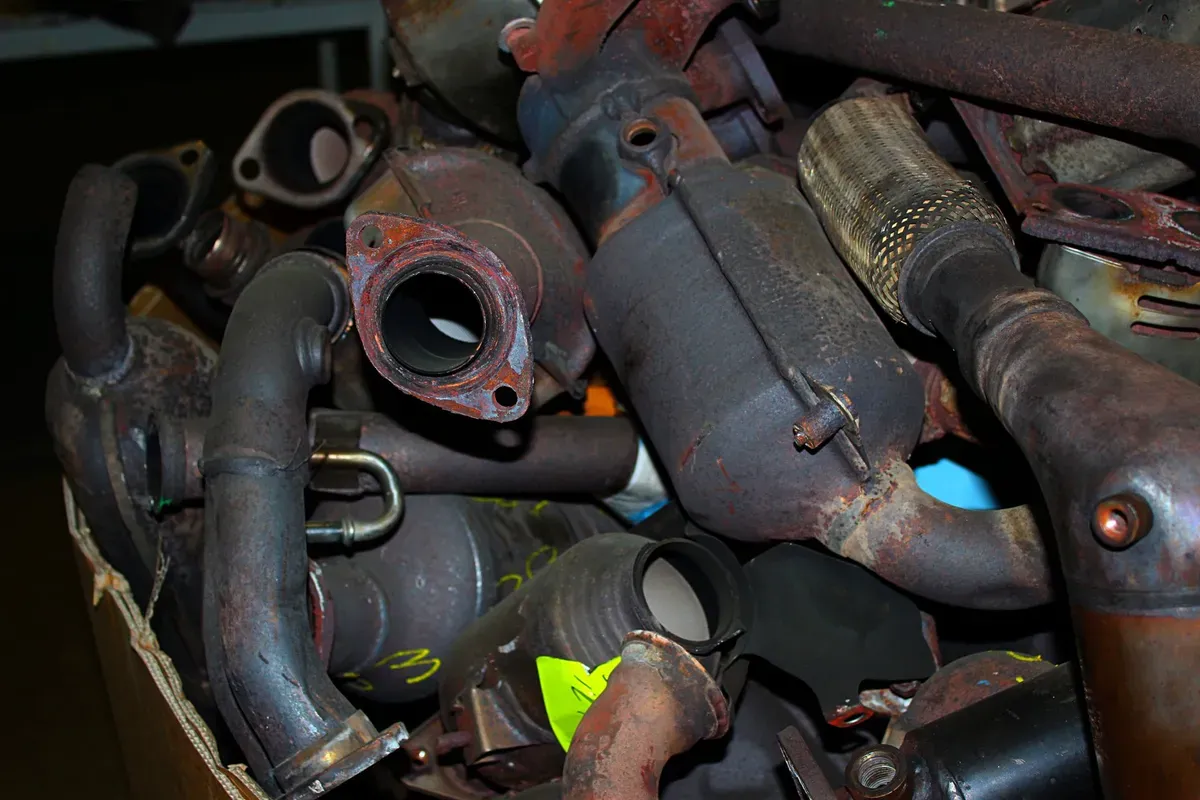
When people search for the best price for catalytic converter, they often compare several scrap buyers and assume the highest number is simply the best offer. In practice, the buyer’s position in the recycling chain can affect what they can pay. A direct processor may have better access to the metals recovered from each unit, while a general yard may need to leave room for another buyer. Understanding that difference makes price comparisons easier and helps sellers ask better questions before handing over a converter. That extra context can make a price difference easier to understand.
What Determines the Offer
Catalytic converters are not valued only by weight or appearance. Their internal material can contain platinum, palladium, and rhodium, with quantities varying between models and applications. The converter type, manufacturer, identification number, condition, and current precious-metal market can all influence the final figure. A serious buyer usually wants enough information to identify the unit correctly before quoting. That process can make an offer feel more specific and transparent than a broad price based only on the fact that the item is automotive scrap. Good buyers normally explain these factors before finalizing the transaction.
Why Smelter Access Matters
A catalytic converter smelter operates farther along the recycling process than a typical local scrap counter. Instead of simply buying a converter and passing it onward, a smelter or specialist processor can recover valuable materials through industrial refining and separation. That position may reduce some layers between the seller and the eventual value of the recovered metals. It does not mean every direct buyer will automatically pay the highest amount, but it explains why comparing the type of buyer can be just as useful as comparing the quoted number. Direct access can also make the evaluation process more focused.
Ask How the Unit Is Evaluated
Before accepting an offer, ask how the converter will be identified and evaluated. Some buyers use reference databases, serial numbers, photographs, or physical inspection to determine the likely material content. Others may use testing or later processing results when a more exact valuation is needed. Sellers should also ask whether the quoted amount is firm, whether deductions are possible, and when payment is made. Clear answers reduce surprises and make it easier to compare two offers on the same basis rather than choosing from numbers that were calculated differently. Written terms are useful when several offers look broadly similar.
Compare More Than One Offer
Getting several offers is a practical way to understand the market for a particular converter. When contacting buyers, provide the same information each time, including the identification number, vehicle details when known, and clear photographs. This keeps comparisons more consistent. A buyer who asks useful questions may be taking the valuation process seriously, while a vague offer may change after inspection. Price still matters, but the seller should also consider payment timing, documentation, collection arrangements, and whether the transaction process is clearly explained from beginning to end. A consistent comparison gives sellers more confidence during negotiations.
Watch for Unclear Deductions
A quoted price can become less attractive if important deductions appear only after the converter reaches the buyer. Ask in advance about testing fees, processing charges, transportation costs, or other adjustments that could affect the final payment. A reputable recycling business should be able to explain its pricing method in understandable terms. Sellers do not need to know every technical detail of precious-metal recovery, but they should know what information determines the offer and whether the amount they receive will match the figure discussed before the sale. Knowing the deductions beforehand keeps the final payment easier to predict.
Make the Sale With Better Information
The strongest approach is to treat a converter sale like any other value-based transaction. Identify the unit carefully, collect several current offers, understand the evaluation method, and check what happens between quotation and payment. Market conditions can move, so an old online estimate may not reflect today’s situation. Sellers who prepare these details can have a much clearer conversation with professional recyclers. They can also avoid judging an offer only by its headline number when the actual payment depends on testing, deductions, or the buyer’s position in the recycling chain. Preparation also helps prevent delays once the buyer receives the unit.
Conclusion
Finding the best price for a catalytic converter is mainly about knowing what is being sold and who is buying it. A direct smelting or refining operation can have a different cost structure from a local intermediary, although every offer still needs to be evaluated on its own terms. For sellers researching reputable recycling options, gndrefiners.com can provide another useful point of reference when comparing professional processing services. Take time to identify the converter, ask how its value is calculated, compare current offers, and choose a buyer that explains the process clearly before payment is agreed. That makes careful research worthwhile before agreeing to any sale.